
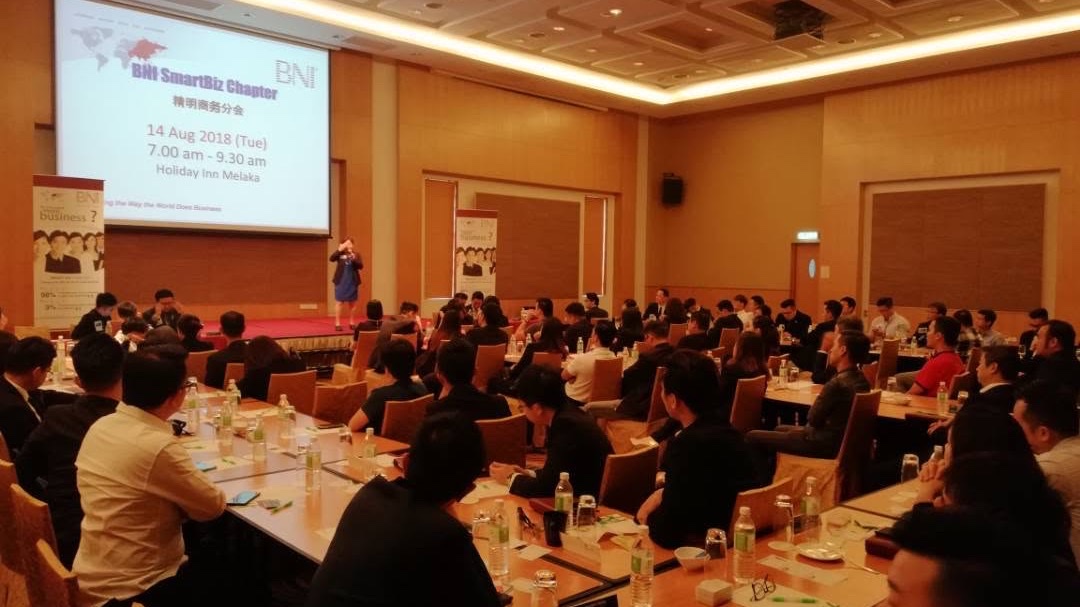
When I was 22, I joined BNI, a room full of business owners who meet every week to pass each other referrals. The whole thing runs on a phrase that sounded, to me back then, a little too good to be true: Givers Gain.
Give first. Help the people around you win before you've worked out what you'll get back. The returns come, just not on the schedule you'd like, and rarely from the person you helped.
I didn't fully believe it. I gave it a shot anyway. Eight years later, almost everything I've built traces back to that one bet.
Most of Us Are Taught to Take First

Networking, the way most of us learn it, is quiet accounting. You walk into a room and silently size people up: what can this person do for me? You hand out a card hoping to collect one back. You keep a ledger, even if you'd never admit it.
It's not that people are selfish. It's that the whole game is framed as an exchange, so we play it like one. I give you this, you owe me that. And a relationship built on a running tab never goes very deep.
For a while, I played it that way too. It worked the way a vending machine works: transaction in, transaction out, nothing that lasts.
The Math of Generosity Is Slower, and Bigger
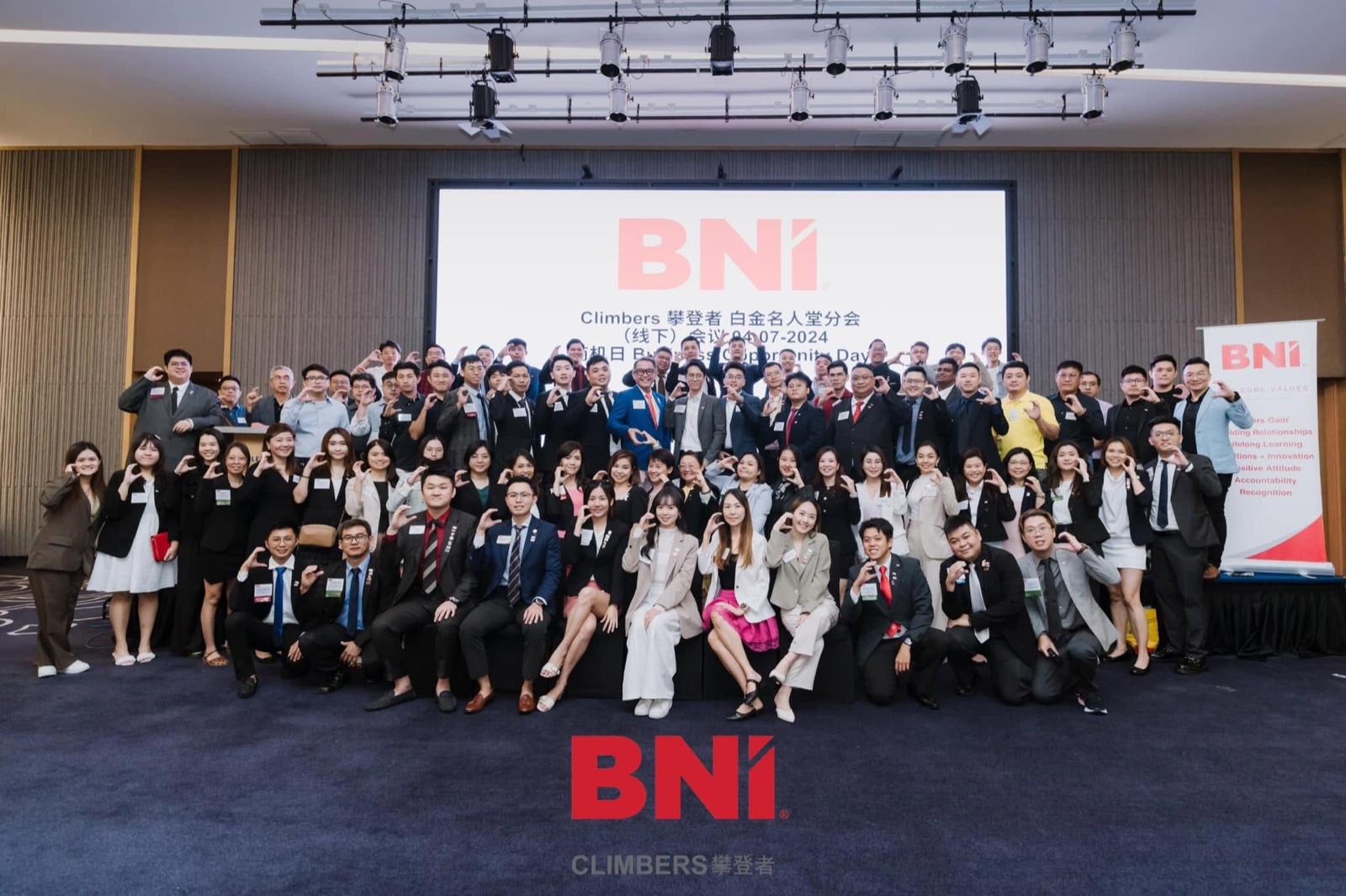
So I changed the order. I started giving first (introductions, advice, time) without keeping score. At 27, I took up the leadership challenge and launched BNI Climbers for our Melaka region, the fastest and largest chapter in Melaka at the time, 56 business owners in one room. In my second year I became a Senior Growth Director Consultant and ended up mentoring more than 100 entrepreneurs from all kinds of industries.
Here's what I learned that no spreadsheet would have predicted: the value almost never came back from the person I gave to. It came from somewhere else entirely, months or years later, from someone who'd heard how I showed up.
The reward for giving first is rarely money, at least not at first. But value always finds its way back.
And one reward I never saw coming was the education. Sitting with more than a hundred founders across all kinds of industries, I learned how differently each business actually runs: the pressures a contractor carries are nothing like a clinic's, or a manufacturer's, or a small café's. Every one of those stories planted a seed in how I think about business today. Giving first didn't just build trust; it quietly made me sharper.
Generosity compounds quietly. You stop being someone people transact with and become someone people trust. And trust, over a long enough timeline, is worth more than any single deal.
Why It Decides Who I Work With
This is why "give first" is one of the things I look for in the people I build with. When I meet someone new, I'm quietly watching for it: do they reach to help before they reach to ask?
The most generous person in the room is almost always the one worth betting on. Not because generosity is a soft virtue, but because it's the clearest signal of how someone will treat the people around them when no one's keeping score. That's who I want on my team. That's who I want to grow into a leader who can carry others.
I've made my share of mistakes reading people. I still do. But I've never once regretted betting on someone who gives more than they take.
Give first. Trust the long game. The right people are doing the same, and that's how they'll find you.