I Stopped Trusting My Willpower
I used to blame my procrastination on a lack of discipline. Then I stopped trying harder and started moving the deadline.


Every month I present slides at our team meeting. Every month I know the date a week in advance. And almost every month, I build the slides at the last possible moment.
I used to treat this as a character flaw I would eventually fix. Try harder. Be more disciplined. Start earlier next time. Next time came, and I started late again.
It took me a long time to accept something simple: this is not a me problem. It is a human problem. And human problems are not solved by trying harder.
Why Trying Harder Keeps Failing
Every time I fell behind, my answer was the same. Push harder. Wake up earlier. Hold myself to a higher standard. And every time, it worked for a few days and then quietly stopped working.
For years I was asking willpower to do a job it was never built for. Willpower is what you use to fight your nature in the moment. It works for a day. Sometimes a week. Then life gets busy, you get tired, and it quietly runs out.
If the plan only works on the days I feel strong, is it really a plan?
What Parkinson Saw
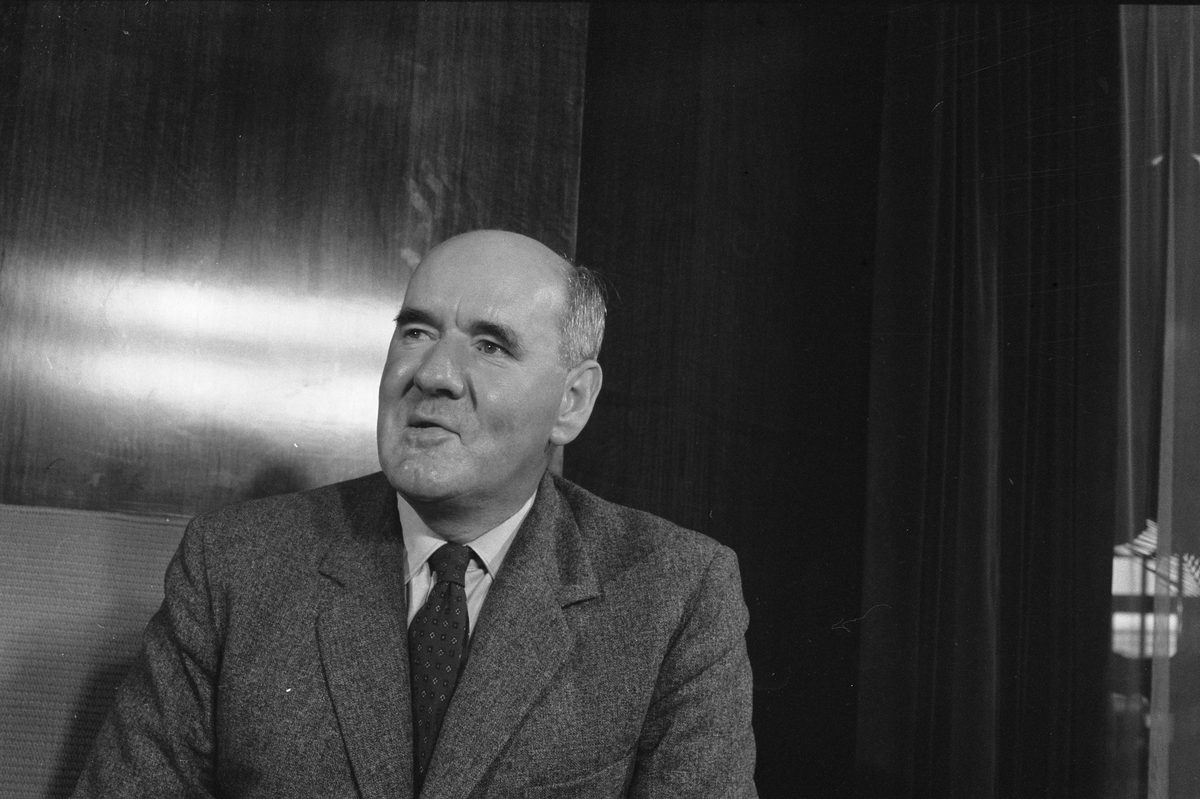
The idea that finally explained it to me came from management, not motivation. In 1955, a British naval historian named C. Northcote Parkinson wrote a short essay for The Economist. Its first line has outlived almost everything else he wrote:
Work expands so as to fill the time available for its completion.
His example is so ordinary it is almost funny. An elderly lady with time on her hands can spend the whole of it sending one postcard to her niece. An hour to find the card. Another to find her glasses. Half an hour looking for the address. More than an hour writing it. Twenty minutes deciding whether to take an umbrella to the postbox. A busy person does the same job in three minutes.
Same postcard. Same result. One took a day, one took three minutes. The difference was not ability. It was how much time each of them had.
Parkinson was writing about government offices that kept growing even as the work behind them shrank. But when I read it, I did not see offices. I saw myself and my slides.
Here is how I understand the principle now, in my own words:
1. The size of a task is not fixed. We like to think a job takes as long as it takes. It does not. Give it more time and it grows to fit: more polishing, more checking, more thinking about it without actually doing it.
2. Effort follows pressure, not the calendar. Seven days does not mean seven days of effort. It usually means a few relaxed days, then most of the real work packed close to the deadline.
3. So the deadline is not just a finish line. It is a design decision. Whoever sets the deadline is quietly setting how much effort the work will get, and when.
That third point is the one that changed things for me. If effort gathers where the pressure is, then my problem was never a shortage of willpower. It was where I had put the pressure.
Design Around Your Nature
So I changed the question I asked. I stopped asking "how do I become more disciplined?" and started asking "how do I make the right action the easy one?"
Here is a small example. The company has a payment that is due on the 7th of every month. I did not announce a new rule. I just quietly moved my own deadline to the 5th. When that held, I moved it to the 3rd.
That is Parkinson's Law used on purpose. Nothing about me changed. I did not suddenly become a more responsible person. The deadline changed, and my effort followed it. What I found out was uncomfortable and useful at the same time: it was always possible to finish earlier. It was only ever a question of where the pressure sat.
A few things I now do on purpose:
1. Pull the deadline in. If effort gathers at the deadline, put the deadline where you want the effort.
2. One thing per week. Not five. One. Small enough that a bad week cannot kill it.
3. Fixed rhythm, not good intentions. A meeting that happens every week whether I feel like it or not will beat a plan I promise to "get to".
4. Remove the work that does not need a human. If a task is the same every month, it should not depend on someone remembering to do it.
The Same Rule Applies to People
The longer I lead, the more I see this outside my own desk too.
When I coach my team leads, I used to give them a list. Everything they could improve, all at once. They would leave the meeting motivated and come back a month later having done very little. I read it as a commitment problem. It was a design problem. I had built something that only worked if they had unlimited willpower.
Now we keep it short. A fixed weekly check-in. One action for the week. Next week, we start with that one action. Did it happen? What did you learn?
Something happens when a person changes one small habit and actually keeps it. They get a little confidence back. With that confidence, they feel like they can do more. And when they do more, they grow. It does not take much. It just has to be small enough to survive a normal week.
The same goes for the paperwork in a company. Right now I am working on automating things like payroll and bonus tracking: who has finished their sessions, who has signed. Not because the team cannot do it by hand. Because every hour they spend on repeat paperwork is an hour taken away from the part of the job that needs a human. We are in the business of people, not the business of fitness. Systems are how I protect the time for the people part.
The Takeaway
I still leave the slides late sometimes. I have not become a different person, and I have stopped waiting to.
What I have learned is that I do not need to win the fight against my nature every day. I need to set things up so that on an ordinary day, tired and distracted, the right thing still gets done.
Willpower runs out. A good system does not need you to be strong.