Reading Is Against Human Nature
I owe books half of who I am. I still had to admit that reading fights human nature, and that the most human skill of all, communication, might be better learned through play.

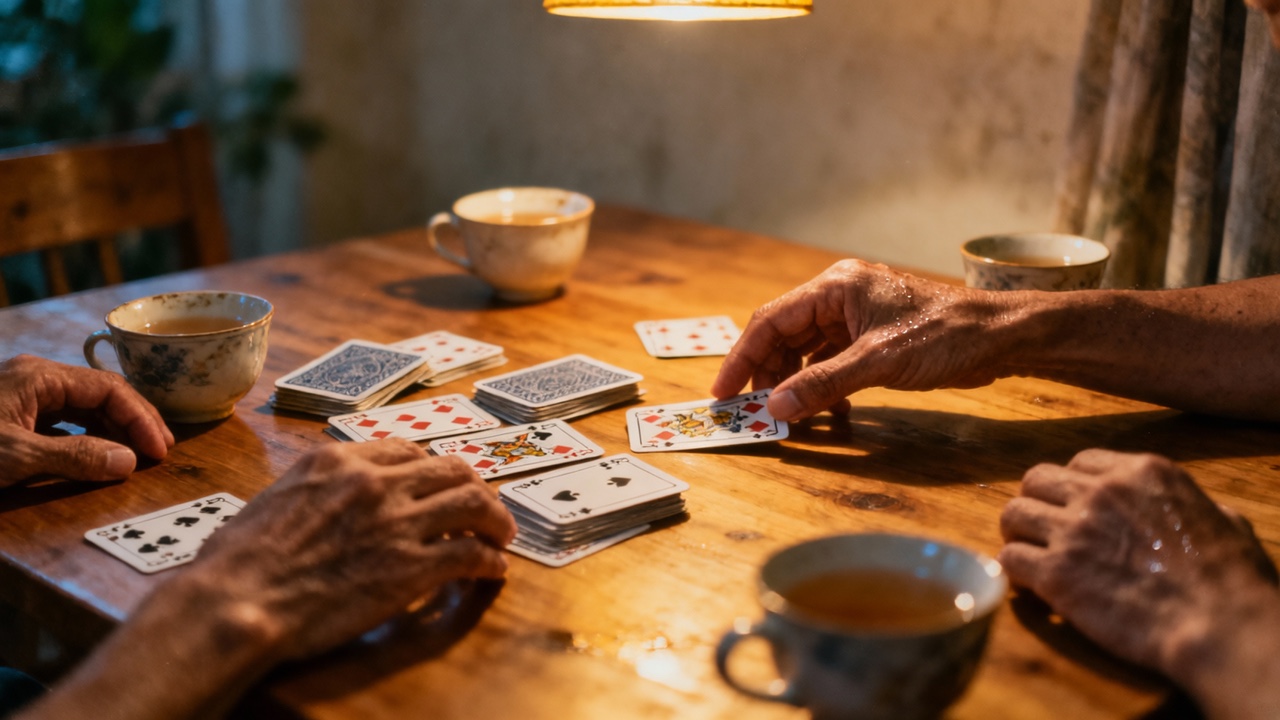
Last month I recommended a book to someone on my team. I meant it. It's a book that changed how I lead. And even as I typed the title into WhatsApp, a quiet, honest voice in my head said: he will probably never finish it.
That's not a judgment on him. I have a shelf of books I bought in full sincerity and abandoned by chapter three. So do most people I respect.
It took me years to say the next sentence out loud, because I love books. Reading is against human nature.
Nobody Has to Teach a Child to Play
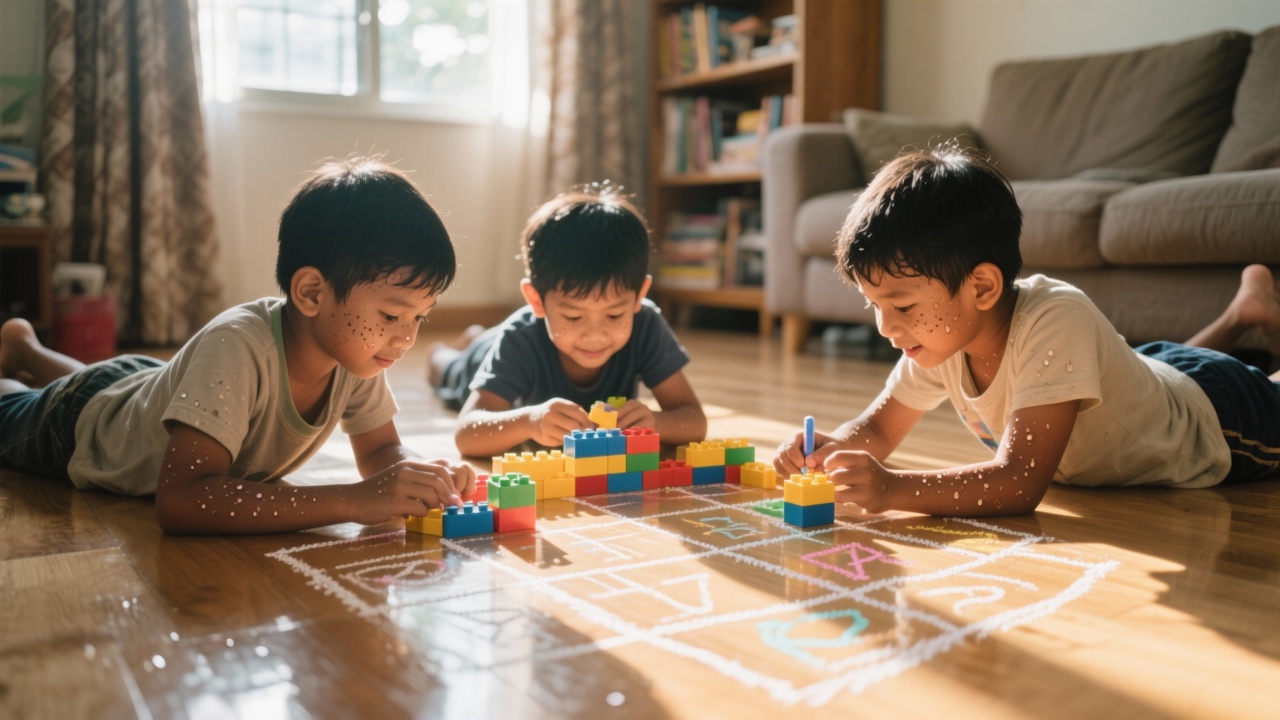
Watch any child. Nobody sits them down and trains them to play. Play comes pre-installed. Give kids a ball, a stick, one made-up rule, and learning starts by itself: negotiating, taking turns, losing, arguing, trying again.
Reading is the opposite. It has to be scheduled and fought for. Every reader I know, myself included, wins that fight on some nights and loses it on most. For years I treated that as a personal weakness to fix. Now I think it's just design. We were built to learn through play. Books arrived very late in the story of what we are.
I wrote earlier about the one skill no book could teach me. This is the other half of that thought. It's not only that some skills can't live inside books. It's that even the ones that can, most of us will never receive through reading, because the format asks us to work against our own nature the entire way.
Meanwhile, the Most Human Skill Became Urgent

Here's what makes this more than a reading-habit problem for me.
AI now writes, designs, and codes inside my companies, deeper into the workflow every month. And the more work the machines absorb, the clearer one thing becomes: what's left is the human part. Listening, trust, the hard conversation, saying a true thing in a way another person can actually hear.
When I look back at my own most expensive mistakes, almost none of them were technical. They were communication failures: a conversation I delayed for months, a message I fired off too fast, a silence I let a partner read the wrong way. Communication was always a core skill. In the AI years, I believe it is becoming the core skill.
So this is the corner I found myself standing in: the skill we need most is packaged, almost entirely, in the format human nature resists most.
So I'm Exploring a Game
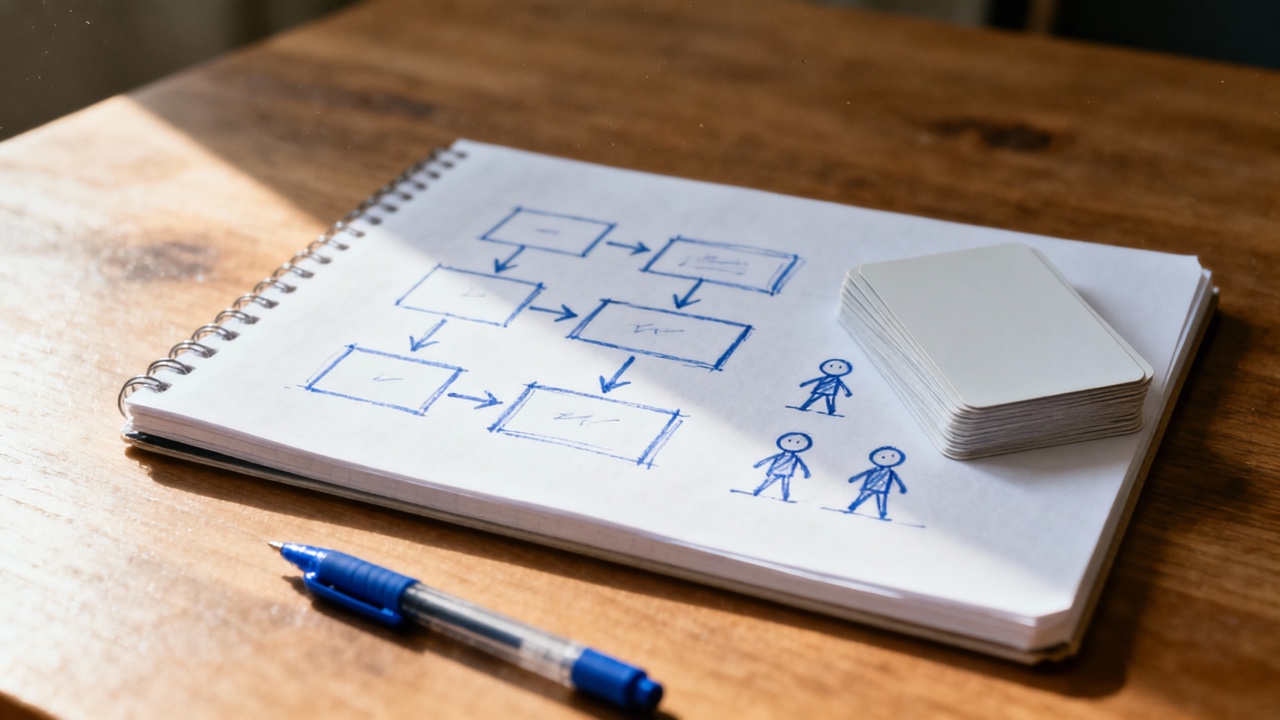
For years my answer was to teach communication the way I learned it: books, courses, and long, slow practice on real events. The practice part I will never replace. You get polished on real things. I still believe that.
But the entry point can change. If human nature runs away from the book and runs toward the game, maybe the honest move is to stop dragging people to the book, and start building the lesson inside a game.
That's what I've been sketching lately. It isn't a product and there is no launch date, just an idea I keep turning over: take what years of awkward, failed, slowly-improving real conversations taught me about communication, and shape it into something people play together, so they get sharper without it ever feeling like study.
And I already know who the first players would be: my own partners and my own team. Not customers. Us. If something like this works, the first proof should be that the people building things with me communicate better with each other on a Monday morning. If it can't do that, it has no business teaching anyone else.
The Takeaway
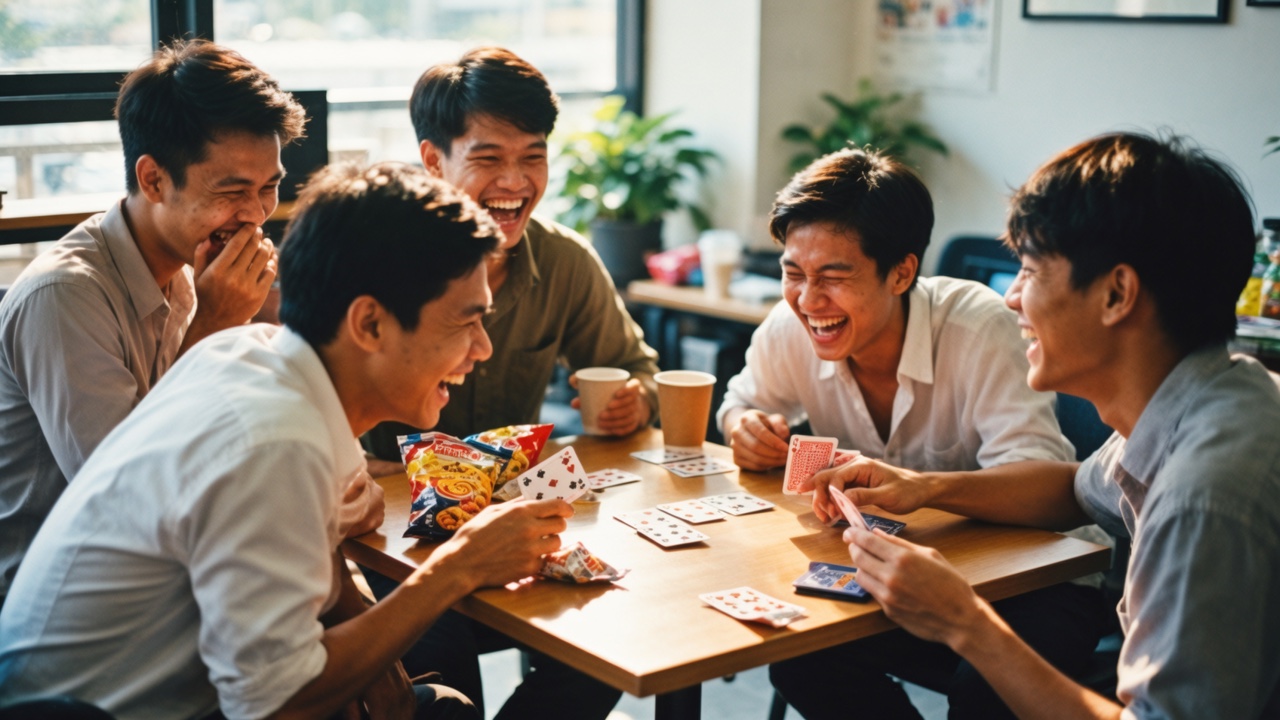
I'm not giving up on books. They shaped me, and I'll keep reading. Some nights I'll win the fight, most nights I won't, and that's fine.
But I've let go of the idea that everyone should learn the way I learned. If what I know is a treasure I want to leave behind, then it's my job to put it in a form people can actually receive, not the form that flatters how hard I worked to get it. A treasure that only opens for people willing to fight their own nature isn't much of a gift.
Build the lesson where people already want to go.