I Wish You Enough Pain
I spent years looking for a simple, happy way to grow. Jensen Huang and Mencius both told me there isn't one.

In March 2024, Jensen Huang sat down with students at the Stanford Graduate School of Business. One of them asked what advice he would give to young people.
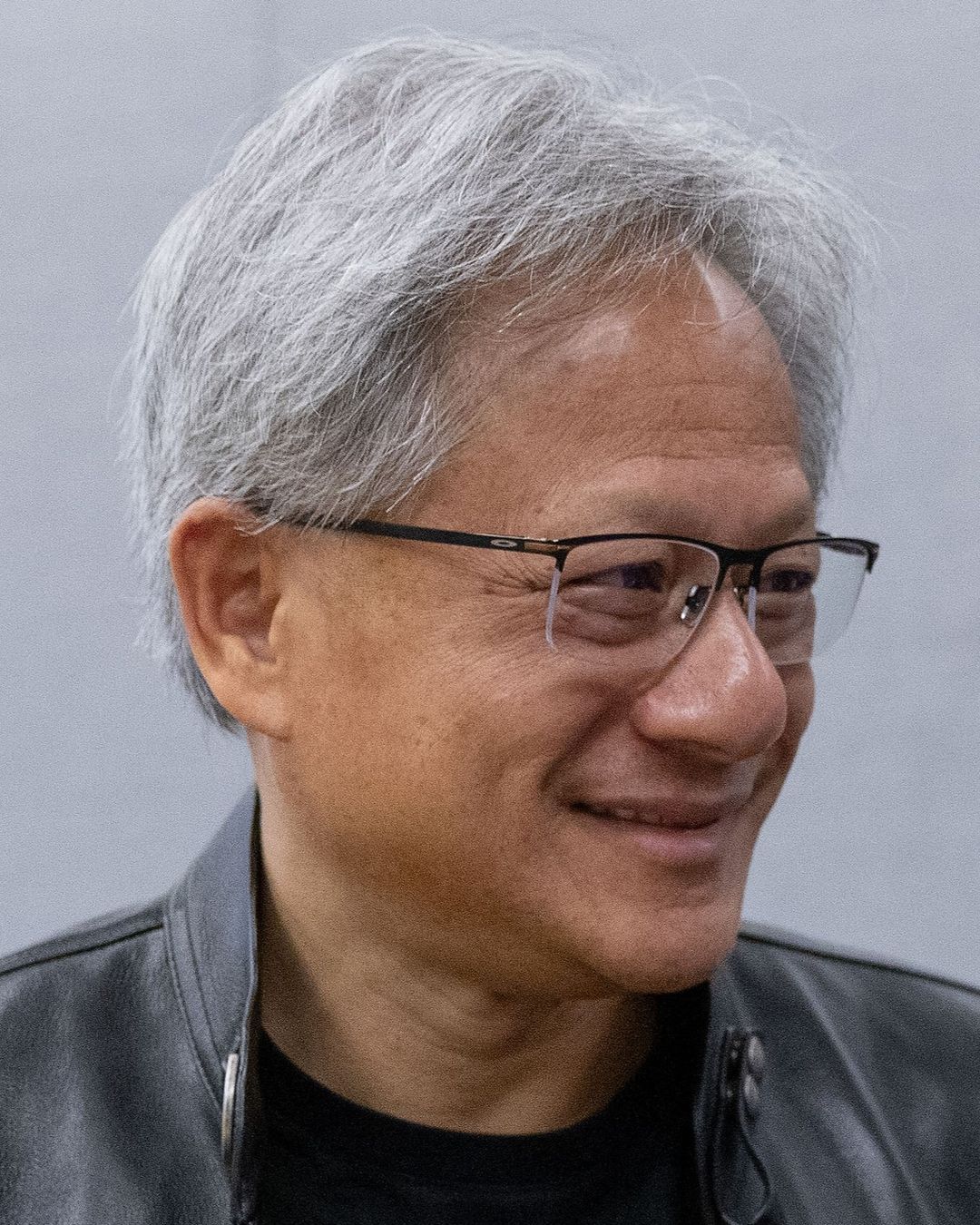
He thought about it for a moment. Then he said:
I wish upon you ample doses of pain and suffering.
It sounds like a joke. It isn't.
He went on: greatness comes from character, and character is not formed out of smart people. It is formed out of people who suffered.
There was another line I have replayed many times since. People with very high expectations have very low resilience. He said one of his great advantages is that his expectations are very low.
I have listened to a lot of his talks this year. That one stayed with me.
Someone Said This 2,000 Years Ago
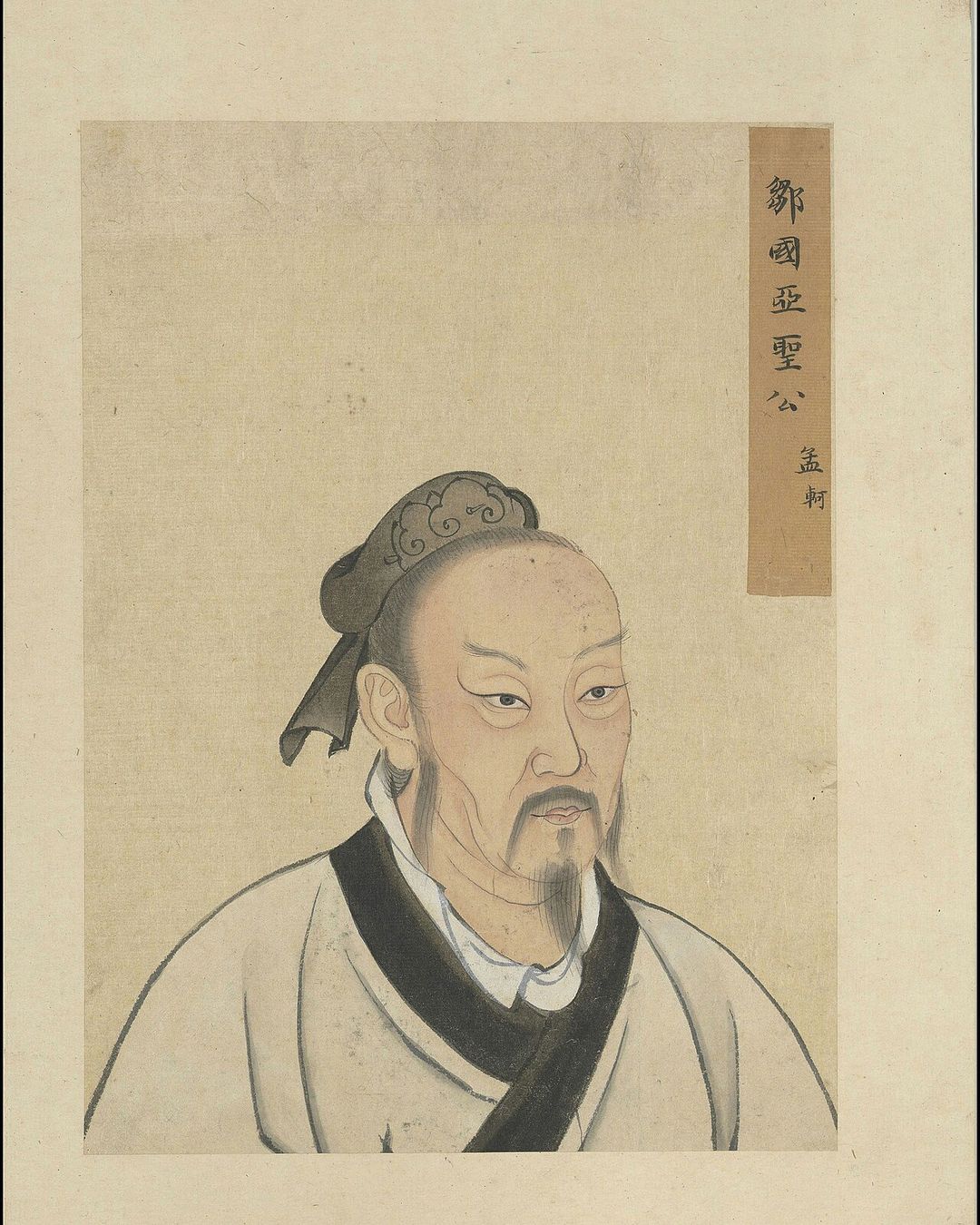
Mencius, the Chinese philosopher, wrote a passage that many of us memorised as children. In plain English, it goes something like this:
When Heaven is about to give a great task to a person, it first tests their mind with hardship, works their body to exhaustion, leaves them hungry and empty-handed, and frustrates everything they try. It does this to stir their heart, toughen their nature, and add to them what they could not do before.
For years I treated it as homework. Something to recite. Reading it again now, the part that matters most to me is the end: add to them what they could not do before.
The pain is not the point. The pain is how you get the ability you did not have.
One is a tech CEO today. The other is a thinker from more than two thousand years ago. Different worlds, same lesson.
I Was Looking for a Shortcut Too
I used to believe there had to be a smarter way to grow.
A method that was simple, enjoyable, and still made you stronger. Fewer wrong turns. Less suffering. Straight to the finish line.
I looked for a long time. It took me years to admit the obvious:
Nobody truly grows without some pain.
In fitness, I see this every day. Muscle does not grow while you are comfortable. You train until it aches, the body repairs itself, and only then does it come back stronger. No soreness, no progress.
People work the same way.
Pain With Growth, Joy in the Conversation
After hearing Jensen's answer, I set myself a principle:
Don't just make people comfortable. Let them struggle, but grow. And keep the joy in how we talk about it.
I only apply this to my management team. Not to our coaches. Everyone grows at their own pace, and I do not want to become another layer of pressure stacked on top of them.
Recently our team ran into something difficult. The colleague handling it was under real pressure, and anxious. I told them: this hurts right now, but what you learn by getting through it is something no office training can give you.
It is still hard for them. But I can see how much they have grown.
I am still learning this myself. Sometimes I want to step in and carry the hard part for someone. But I am more and more sure of this: when you take away the pain someone was meant to go through, you also take away the ability it was going to give them.
The Sweet Comes After the Bitter
Growth feels good. I have never doubted that.
But that good feeling usually only shows up after the hard part.
There is a Chinese saying, 苦尽甘来: when the bitterness ends, the sweetness comes. I used to think bitter and sweet were opposites. One bad, one good. Now I see the sweet was always on the other side of the bitter. If you do not walk through, you never taste it.
So when pain shows up now, I ask myself one more question: is this pain shaping me, or just wearing me down?
The pain that shapes you, stay and endure. The pain that only drains you, let it go.
Mencius ended that passage with a line I keep coming back to: we live through hardship, and we die of comfort.
So I wish you enough pain. And I wish you the strength to get through it.
The pain you are going through right now, what kind of person is it turning you into?